
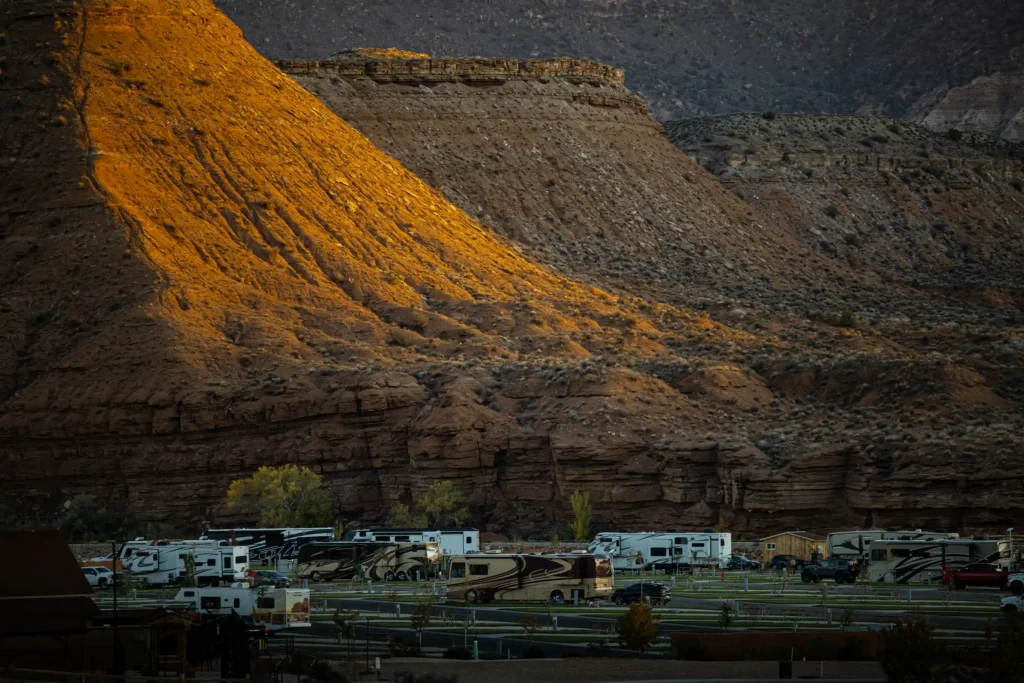
Planning a trip to Zion National Park but unsure when to go? The good news is that there’s no single perfect season to experience Southern Utah’s incredible red rock landscapes. The best time to visit Zion National Park depends on what you want from your vacation.
Some travelers dream of long summer days spent exploring scenic trails, while others prefer cooler hiking temperatures, fewer crowds, or a peaceful winter getaway. Families may need to plan around school schedules, while couples and retirees often have more flexibility to travel during quieter months.
Whether you’re planning your first visit or returning to explore more of the park, understanding Zion’s seasons can help you choose the right time for your adventure.
What Is the Best Time of Year to Visit Zion National Park?
For most visitors, April through May and September through October are excellent times to visit Zion National Park, thanks to generally comfortable temperatures and opportunities for outdoor recreation.
However, each season offers something different.
- Spring (March–May): Wildflowers, warming temperatures, and excellent sightseeing opportunities.
- Summer (June–August): Long daylight hours, family vacations, and access to a wide variety of outdoor activities.
- Fall (September–November): Pleasant hiking weather, changing foliage, and generally lighter crowds later in the season.
- Winter (December–February): Peaceful scenery, fewer visitors, and the occasional snowfall against Zion’s red sandstone cliffs.
According to the National Park Service’s seasonal guide, Zion remains open year-round, although weather conditions, shuttle operations, and trail accessibility change throughout the year.
The key is choosing a season that matches your preferred activities and travel style.
Visiting Zion National Park in Spring: March Through May


Spring brings new life to Zion as temperatures begin warming and desert vegetation turns green. Wildflowers can appear throughout the park, and the contrast between fresh greenery and towering sandstone cliffs makes this a beautiful time for photography.
March: Early Spring Adventures
March marks the beginning of warmer weather in Zion Canyon. Daytime temperatures become more comfortable for hiking, although mornings and evenings can still feel chilly.
Spring break also brings increased visitation, so don’t assume early spring means empty trails.
Travelers should be prepared for changing weather conditions and possible trail restrictions from snowmelt or high river flows.
April: Comfortable Weather and Scenic Hikes
April is a popular month for exploring Zion, especially for visitors who enjoy hiking without the intense summer heat.
The canyon begins showing more greenery, and the generally mild temperatures make it easier to spend longer periods outdoors.
April can be an especially appealing time for couples planning a spring getaway or first-time visitors who want to explore the park’s popular viewpoints.
May: Longer Days and Warmer Temperatures
May offers longer daylight hours and increasingly warm weather, creating opportunities for early morning adventures and relaxing afternoons.
As Memorial Day approaches, expect more visitors and increased demand for lodging.
If you’re planning a May trip, booking accommodations in advance is a good idea.
Best for: Couples, outdoor enthusiasts, photographers, and visitors who enjoy mild weather.
Travel tip: Spring snowmelt can affect access to The Narrows. Check the current Zion National Park trail conditions before choosing your hikes.
Visiting Zion National Park in Summer: June Through August


Summer is one of Zion’s busiest travel seasons, and it’s easy to understand why. Families have more flexibility during school vacations, the days are long, and the park offers plenty of opportunities to explore.
However, summer temperatures in Zion Canyon regularly exceed 100°F, making thoughtful trip planning important.
June: Summer Adventures Begin
June is a popular time for family vacations and Southern Utah road trips.
With extended daylight hours, visitors can explore the park in the morning and still have plenty of time for other activities in the afternoon.
If you’re traveling with children, consider planning your hikes early in the day and leaving the hottest hours for relaxing at your accommodations.
July: Peak Summer Travel
July brings hot weather and busy trails.
It’s a great time to enjoy summer vacation, but visitors should take extra precautions when hiking, especially during midday.
Zion’s monsoon season can also bring afternoon thunderstorms and an increased risk of flash flooding.
You can review Zion’s weather and climate information before your trip to better prepare for seasonal conditions.
August: Late-Summer Escapes
August continues to offer warm temperatures and opportunities to explore Southern Utah.
For families planning one last adventure before the school year begins, Zion can be a memorable destination.
Morning hikes, scenic drives, and afternoons spent relaxing at a resort are a great way to enjoy the season without overpacking your itinerary.
Best for: Families, summer road trippers, and travelers who enjoy long daylight hours.
Travel tip: Carry plenty of water, begin hikes early, and pay close attention to forecasts and flash flood warnings.
Visiting Zion National Park in Fall: September Through November

Fall is one of the most rewarding times to visit Zion National Park, especially for travelers seeking comfortable weather and a more relaxed atmosphere.
As temperatures begin cooling, hiking becomes more pleasant, and changing leaves add beautiful colors to the canyon.
September: Warm Days and Outdoor Exploration
September offers a transition from summer into fall.
Early in the month, temperatures can still be quite warm, but conditions generally begin cooling as autumn approaches.
This can be an excellent time for couples or travelers with flexible schedules who want to enjoy Zion after the busiest summer vacation period.
October: Beautiful Fall Hiking Weather
October is a favorite month for many Zion visitors.
Cooler temperatures create pleasant opportunities for exploring the canyon, and fall foliage begins appearing throughout the park.
Keep in mind that October isn’t necessarily crowd-free. Holiday weekends and school breaks can still bring significant visitation.
For more information about seasonal crowds, explore Visit Utah’s guide to the best time to visit Zion.
November: A Quieter Zion Experience
November can be an excellent choice for travelers who prefer fewer crowds and don’t mind cooler weather.
The days are shorter, but the peaceful atmosphere gives visitors an opportunity to experience Zion at a different pace.
This is a particularly appealing time for retirees, RV travelers, and couples who have flexibility in their travel dates.
Best for: Couples, retirees, photographers, and travelers seeking cooler hiking weather.
Travel tip: Plan your activities around shorter daylight hours and pack layers for cooler mornings and evenings.
Visiting Zion National Park in Winter: December Through February

Winter might be Zion’s most underrated season.
While many people associate national park vacations with warm weather, winter brings a quieter atmosphere and a chance to see Southern Utah’s landscape in a completely different way.
Snow occasionally dusts the canyon’s red cliffs, creating striking views that visitors don’t experience during the warmer months.
December: A Peaceful Winter Getaway
December brings cooler temperatures, quieter trails, and opportunities for scenic sightseeing.
Although some trails may become icy or inaccessible, many lower-elevation areas remain worth exploring when conditions allow.
Holiday periods can bring an increase in visitors, but much of the month generally feels calmer than peak season.
January: Fewer Crowds and Scenic Beauty
January is often one of the quietest times to experience Zion.
Travelers who don’t mind winter temperatures can enjoy peaceful viewpoints, photography, and scenic drives.
It’s also a great time to explore surrounding Southern Utah communities and enjoy a longer, more relaxed getaway.
February: A Quiet Escape Before Spring
February offers another opportunity to experience Zion before the spring travel season begins.
Conditions can vary from sunny afternoons to cold, icy mornings, so flexibility is important.
For travelers who enjoy crisp air and quieter surroundings, February can be a rewarding month to visit.
Best for: Couples, snowbirds, photographers, and travelers seeking a peaceful vacation.
Travel tip: Some trails may require traction devices, and seasonal road closures can affect higher-elevation areas. Always check the National Park Service’s current park conditions before heading out.
When Is Zion National Park Least Crowded?
If avoiding crowds is one of your top priorities, consider visiting Zion during January, February, or November, outside of major holidays.
These months generally attract fewer visitors than the peak summer season.
However, there are a few things to keep in mind when planning your trip.
Winter conditions can limit certain hiking opportunities, and shorter days mean less time for outdoor exploration.
If you’d prefer milder temperatures while still avoiding some of the busiest travel periods, consider visiting during the middle of the week in spring or fall.
According to the National Park Service’s traffic and travel recommendations, weekdays are generally less crowded than weekends, and arriving early or later in the day can help reduce congestion.
Regardless of when you visit, planning ahead makes a difference.
What Is the Best Month to Visit Zion for Hiking?
The best month for hiking in Zion depends on the trails you want to experience.
April, May, September, and October are generally attractive months for many lower-elevation hikes because of their milder temperatures.
If you’re considering popular hikes like Angels Landing or The Narrows, weather conditions and park requirements should play an important role in your planning.
Angels Landing requires a permit for the section beyond Scout Lookout, while The Narrows may close when river conditions become unsafe.
Not all Zion hikes require advanced planning or strenuous activity, however.
Visitors can explore the park’s official hiking guide to find trails that match their interests and abilities.
For families traveling with younger children or visitors who prefer shorter walks, choosing easier trails and scenic viewpoints can make the experience just as memorable.
When Is the Best Time to Visit Zion With Kids?
For families, the best time to visit Zion National Park often depends on school schedules and the ages of the children.
Spring break, summer vacation, and fall school breaks are popular choices, but each comes with different advantages.
Families traveling in summer can enjoy extended daylight hours, while spring and fall offer more comfortable temperatures for many outdoor activities.
If you’re traveling with younger children, consider building some flexibility into your itinerary.
Instead of planning a full day of strenuous hiking, combine shorter park adventures with time to relax at your accommodations.
A resort with a swimming pool, outdoor activities, and space to play can make a big difference during a family vacation.
Is Zion National Park Worth Visiting in the Off-Season?
Absolutely! Visiting Zion outside the busiest travel months can offer a completely different vacation experience.
With fewer visitors, cooler temperatures, and a slower pace, the off-season can be especially enjoyable for travelers who don’t need to plan around school schedules.
Retirees and snowbirds often have the flexibility to spend extended periods exploring Southern Utah, making it easier to discover more than just Zion National Park.
A longer stay also allows visitors to enjoy other destinations throughout the region, scenic drives, and outdoor recreation without rushing from one activity to the next.
For RV travelers, choosing a comfortable home base can make these extended vacations even more enjoyable.
Where Should You Stay When Visiting Zion National Park?

No matter which season you choose, your accommodations can make a big difference in how you experience Zion.
Located in Virgin, Utah, Zion White Bison Resort offers two different ways to enjoy Southern Utah, making it a great option for travelers with different vacation styles.
Experience Glamping Near Zion National Park
For travelers who want to enjoy nature without giving up modern comforts, Zion White Bison Glamping Resort offers unique accommodations, including covered wagons and cliff dwellings.
Couples can enjoy relaxing evenings surrounded by beautiful scenery, while families can experience a memorable alternative to a traditional hotel stay.
Guests also have access to resort amenities, including a swimming pool, hot tubs, pickleball courts, walking trails, and opportunities to see the resort’s resident bison.
Stay at Zion White Bison RV Resort
For RV travelers and snowbirds, Zion White Bison RV Resort offers spacious concrete pull-through sites with full hookups.
Each site provides room to settle in, while the surrounding resort amenities allow guests to enjoy outdoor recreation without leaving the property.
Whether you’re stopping for a few nights during a Southern Utah road trip or planning an extended stay, the resort provides a comfortable base for exploring the region.
Enjoy Easy Access to Zion
Another advantage of staying at Zion White Bison Resort is access to the on-site Zion Corridor Park & Ride.
Guests can take advantage of convenient shuttle transportation toward Springdale, making it easier to plan their visits to Zion National Park without relying entirely on parking near the park entrance.
This is especially helpful during busier travel seasons.
Shuttle service schedules may vary throughout the year, so guests should confirm current availability before planning their park visit.
Frequently Asked Questions About the Best Time to Visit Zion National Park
What month has the best weather in Zion National Park?
April, May, September, and October generally offer some of the most comfortable weather for hiking and sightseeing. However, temperatures can vary considerably between mornings, afternoons, and different elevations.
Is Zion National Park open year-round?
Yes. Zion National Park is open 24 hours a day throughout the year, although certain roads, trails, visitor facilities, and shuttle services may operate seasonally.
What is the hottest month in Zion National Park?
July is typically among the hottest months in Zion Canyon, with daytime temperatures frequently exceeding 100°F. June and August can also be extremely hot.
Is October a good time to visit Zion National Park?
Yes. October is an excellent month for many visitors because of the cooler temperatures and changing fall colors. However, school breaks and holiday weekends can still bring crowds.
Can you visit Zion National Park in December?
Yes. Zion remains open in December, and visitors can enjoy scenic views and accessible trails. Be prepared for cold temperatures, icy conditions, and possible seasonal closures.
What time of year is best for an RV trip to Zion?
Spring and fall are especially appealing for RV travelers who enjoy mild weather and outdoor recreation. Winter is another option for snowbirds who want to spend time in Southern Utah, although freezing overnight temperatures are possible.
Every Season Offers a New Way to Experience Zion
There’s a reason visitors return to Zion National Park year after year. Every season brings something different to the landscape.
Spring welcomes new growth and wildflowers. Summer offers long days filled with adventure. Fall brings pleasant temperatures and changing colors, while winter reveals a peaceful side of the canyon.
The best time to visit Zion National Park ultimately comes down to the experience you’re looking for.
Whether you’re planning a family vacation, a romantic glamping getaway, or an extended RV adventure, Zion White Bison Resort offers a place to relax and enjoy Southern Utah in every season.
Ready to plan your next Zion getaway? Explore the glamping accommodations and spacious RV sites at Zion White Bison Resort and find the right stay for your next adventure.