If you’ve spent any time in the snowbird RV community, you know the drill. Every fall, the same question: where this year? Arizona is reliable but crowded. Florida is warm but flat. Texas has options but the drive from the north is long. And somewhere in most RV travelers’ minds is a quieter version of the question: is there somewhere that actually feels like a destination, not just a place to wait out the cold?
Southern Utah in winter is an answer that more snowbirds are finding, and Zion White Bison Resort in Virgin, Utah is where many of them land. Here is an honest breakdown of what a winter season at a resort near Zion National Park actually looks like, from the weather and the site setup to what you do with your time when you’re there for months rather than days.
The Season: November Through March
Zion White Bison Resort’s snowbird season runs from November 1 through March 31. That window covers the full stretch of winter when most of the country is dealing with cold, snow, and shortened days, while southern Utah sits in a different climate entirely.
Virgin, Utah sits at roughly 3,000 feet elevation, which keeps winters mild without the desert extremes of lower-elevation destinations. Daytime highs through December, January, and February typically run in the 50s and occasionally into the 60s. Nights are cold, which your RV heating system handles, but the kind of sustained below-freezing temperatures that make RV living genuinely difficult are not the norm here. Snow falls occasionally and is usually gone within a day or two.
For RV travelers who want to be outside regularly rather than hunkered down waiting for spring, southern Utah in winter delivers that.
The Site Setup
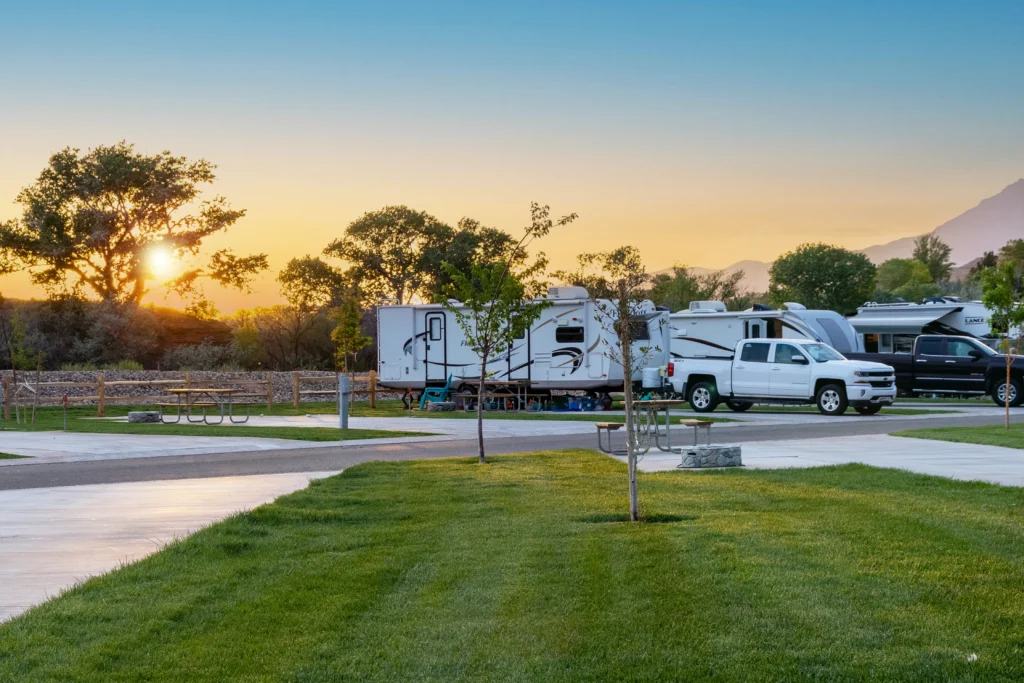
RV pads at Zion White Bison Resort are a minimum of 30 feet wide, with length options of 50, 60, 70, 80, and 100 feet. Every site includes full hookups: water, sewer, and electric. Concrete pull-through pads mean you do not need to back in, which matters when you are setting up for a multi-month stay rather than a one-night stop.
The resort is set back from any main road, which is a detail that sounds minor until you have spent a few nights in highway-adjacent campgrounds. The off-road positioning keeps things noticeably quieter, and quiet in a place with views of the surrounding red rock landscape is worth something.
What the Amenities Look Like in Winter
This is where the resort separates itself from a standard RV park. Snowbird guests at Zion White Bison Resort have access to the full set of resort amenities throughout the season.
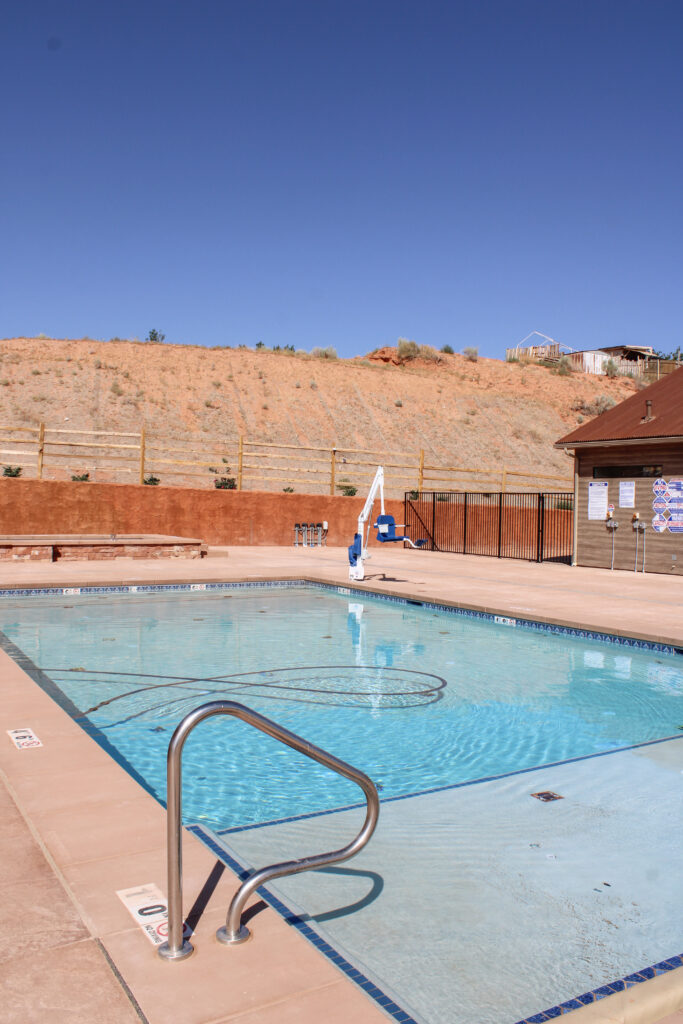
The pool is heated, which means it stays in use through the winter months rather than closing down when temperatures drop. For snowbirds who value the social and physical routine of daily swimming, a heated pool is not a luxury, it is a deciding factor.
The resort also has hot tubs available, which get predictably heavy use during the cooler months. Coming back from a morning hike or a trip into the park and spending an hour in a hot tub with canyon views is a specific kind of winter afternoon that does not get old.
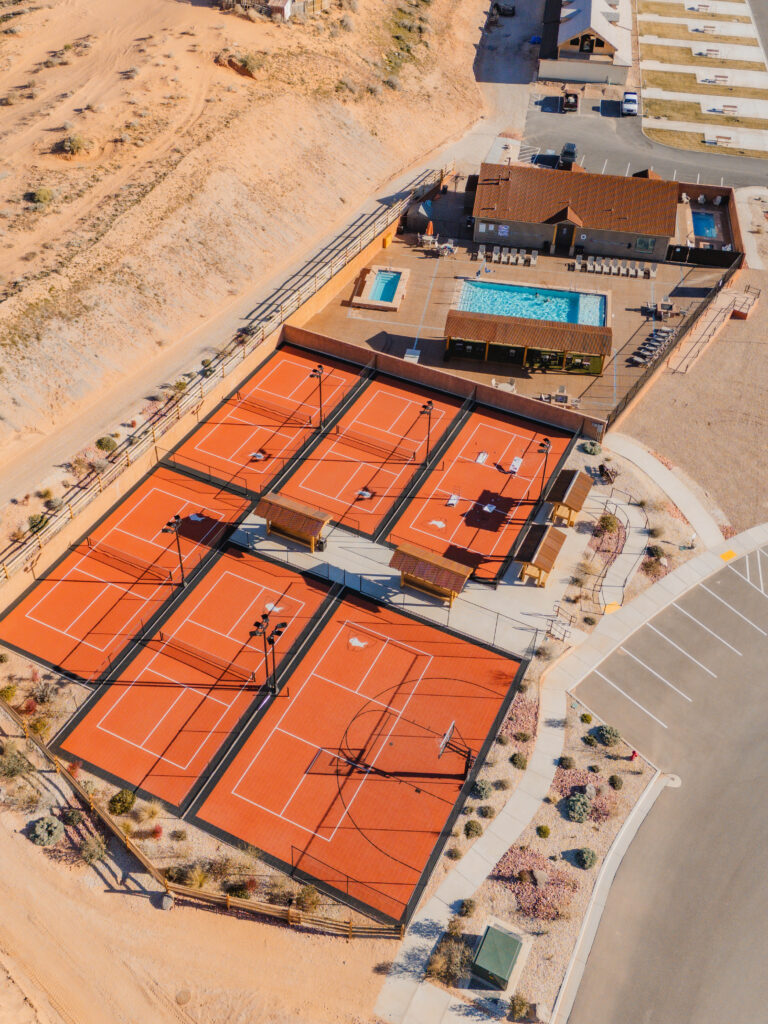
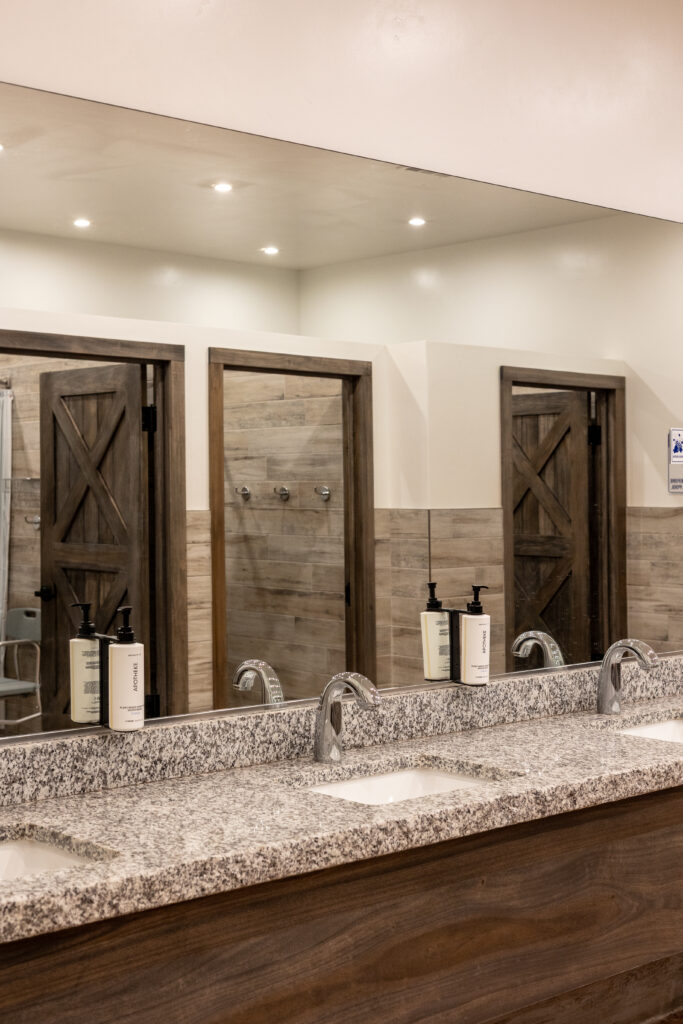
On-site laundry, clean shower facilities, pickleball courts, the catch-and-release fishing pond, and the Virgin River walking trails are all available throughout the season. For a stay measured in months rather than nights, the depth of the amenity offering matters more than it does for a weekend stop.
The Bison Mercantile keeps supplies accessible on-site. The white bison sanctuary is a short walk from the RV sites and does not have an off-season.
Zion National Park in Winter: What Changes and What Doesn’t
Zion National Park in winter is a different experience than Zion in peak season, and for most snowbirds it is a better one.
Crowds drop significantly from November through March. The most popular trails, including Riverside Walk and the Narrows, are all accessible in winter and considerably less congested. The Narrows requires dry suit gear for cold water wading but remains one of the more extraordinary hiking experiences in the country even in winter conditions. Riverside Walk stays accessible and paved year-round.
The winter light on the canyon walls is lower and more dramatic than summer light. Photographers and anyone who cares about the visual quality of the landscape tend to prefer the off-season for exactly this reason.
The resort serves as the Zion Corridor Park & Ride location, offering shuttle service into Springdale and access to the park entrance. That shuttle advantage applies in winter the same as in summer. You leave your rig at the resort and ride in, which means no parking concerns regardless of the season.
The slower pace of winter also means you can visit the park repeatedly across a season and get to know it in a way that two or three days in peak season does not allow. Snowbirds who stay through March often find that watching the park transition from winter into early spring is one of the more memorable parts of the whole experience.
The Community Aspect
One thing that distinguishes a well-run snowbird resort from a basic RV park is the community that forms over the course of a season. Extended stays naturally build connections between guests in a way that short-term campgrounds don’t. Shared amenities like the pool, the pickleball courts, and the walking trails become social spaces in a way that takes time to develop and cannot be manufactured on a weekend trip.
The resort actively fosters this. The early booking incentive for the 2026 to 2027 season includes a propane credit for guests who book before July 31, which also draws a committed community of returning guests who know what they’re coming back to.
How to Book a Snowbird Stay
The snowbird process at Zion White Bison Resort is more involved than a standard short-term reservation, which reflects the longer commitment on both sides.
The process starts with an inquiry form. The resort team follows up by phone to go over pricing, amenities, and any questions. Applicants then complete a background and credit check through TurboTenant at a cost of $50, which is refunded on the first month’s rent if approved. The resort reviews results before confirming the reservation.
That process exists to maintain a safe, positive community for all guests, and for snowbirds planning a multi-month stay, knowing that vetting process is in place is generally a reassurance rather than a barrier.
Season dates are November 1 through March 31. Availability is limited and fills in advance, particularly for guests who want specific site sizes or positions on the property.
The Honest Summary
Snowbird RV living near Zion is not for everyone. The winters are mild but not tropical. The area is quieter than Scottsdale or Naples. If your priority is a warm, busy, socially dense snowbird scene, southern Utah may not be the fit.
But if what you’re after is somewhere that feels like a genuine destination, with access to one of the country’s most extraordinary national parks, real resort amenities, a community of like-minded travelers, and the particular satisfaction of watching a landscape change across an entire season, Zion White Bison Resort is worth a serious look.
The canyon does not get smaller the more times you see it. If anything, it gets bigger.